
Compartilhamos reflexões importantes de Alexander Dugin, o valioso
filósofo e geoestratega - pai da filósofa mártir Daria Dugina -, sob o
título Hoje Irão, Amanhã Rússia, na qual ele aborda o Irão, denominando-o o escudo do
Katechon [o ser ou princípio organizador, controlador, catequizador], ao estar a aguentar golpe traiçoeiro contra a multipolaridadee, e considerando esta guerra, quase do bem e do mal, como capaz transformar, destruir ou remodelar o mundo, pelo que apela à unidade e a acções decisivas da Rússia, do Irão e da China contra o imperialismo e o sionismo opressivos e criminosos de guerra.
Conversa com Alexander Dugin no programa Escalation da Sputnik TV. [sublinhei as ideias mais importantes e adicionei comentários breves entre [...], e as imagens].
«Anfitrião: Queridos amigos, hoje estamos a abordar um tema grande e sério. Todos estão a falar sobre isso agora, e com razão, porque está a desenrolar-se um acontecimento histórico. Permitam-me lembrar aos nossos ouvintes: em 28 de fevereiro de 2026, uma operação conjunta foi lançada pelas forças armadas dos Estados Unidos da América e de Israel. Realizaram-se ataques contra o Irão, do que resultou a morte do Líder Supremo do Irão, Ayatollah Ali Khamenei. Além disso, muitas outras figuras de alto nível foram eliminadas no ataque. O Irão começou a responder com ataques tanto contra Israel como contra bases americanas e, enquanto falamos, estão a ocorrer confrontos militares. Há muitas perguntas sobre as consequências, quem sofrerá mais com tais desenvolvimentos e se o Irão conseguirá suportar a pressão. Mas a primeira questão que queremos compreender é: para onde está tudo isto a levar?
Alexandre Dugin: Este é, de facto, um acontecimento extremamente importante. É inteiramente possível que isto se possa tornar o início da Terceira Guerra Mundial, porque forças de enorme dimensão estão agora envolvidas. As acções dos americanos—Trump junto a Netanyahu—dirigidas contra a liderança política do Irão foram extraordinariamente abruptas.
Este é já o segundo caso desse tipo. Primeiro, os Estados Unidos sequestraram Maduro, estabelecendo controle directo sobre a Venezuela e ocupando efectivamente esse país. Agora, eles destruíram toda [ou uma pequena parte] a liderança militar-política e religiosa do Irão. Em importância, isto é comparável à destruição do Papa ou de um Patriarca Ortodoxo, porque o líder espiritual dos xiitas—o Rahbar, Ayatollah Khamenei—era reverenciado não só no Irão. Ele era efectivamente o chefe [com o ayatollah Sistani, do Iraque) de todo o mundo xiita, que inclui centenas de milhões de pessoas em todo o globo. Antes disso, Israel eliminara a liderança do Hamas—um caso mais limitado—e depois a liderança do Hezbollah, o que já era mais sério.
Agora a liderança do Irão foi destruída de forma direta e aberta. Isto significa que não há mais normas internacionais, não há regras, e as Nações Unidas efectivamente não existem mais. Essa organização agora pertence ao passado, como um membro fantasma de um mundo desaparecido. Trump em si mesmo disse essencialmente isso: não há lei internacional; tudo o que ele faz é moral. Isto muda tudo. A ordem mundial anterior entrou em colapso. Estávamos gradualmente a mover-nos nessa direção, mas agora o ponto de não retorno foi cruzado. Se um país pode destruir a liderança militar-política e religiosa de um estado soberano sem qualquer justificação [ainda que tenham inventado algumas, falsas, para os Milhazes e Correios da Manhã propagandearem], então estamos a viver num mundo completamente diferente—um mundo onde tudo é permitido, onde a lei está substituída pela força, onde o princípio que vigora é: "Se eu posso fazer, eu farei."
O comportamento de Trump é particularmente impressionante. Tudo isto aconteceu durante as negociações envolvendo Kushner e Witkoff [dois género de diplomatas fora do quadro e hipócritas sionistas, de aparências sérias], e de acordo com as informações disponíveis, o Irão havia concordado com quase todas as exigências americanas—literalmente com quase tudo. Apesar disso, tal ataque foi dirigido diretamente contra a liderança do país. Em primeiro lugar, devemos entender que nesta situação somos os próximos. Venezuela, Irão, e antes disso Síria e Hezbollah—todos esses são regimes ou sistemas políticos actualmente alvos dos Estados Unidos, e eles são nossos aliados.
De facto, se tais ações podem ser tomadas contra os nossos aliados, se tudo isso ficar impune, se Trump tiver sucesso em tudo o que tenta, então na próxima etapa—talvez até durante as negociações [que têm ocorrido frequentemente, inclusive em Moscovo] entre [o representante russo] Kirill Dmitriev e [os norte-americanos] Kushner e Witkoff—uma operação semelhante visando a mudança de regime no nosso país poderia acontecer.
E o que nos protege de tal cenário? Armas nucleares? Mesmo nisso, permanece a questão se realmente as usaríamos. Numa situação extrema, o Ocidente tem sérias dúvidas de que estaríamos preparados para dar esse passo—emitimos ameaças com muita frequência e não as cumprimos. Ao mesmo tempo, estão em andamento tentativas para cercar e isolar o nosso presidente [Vladimir Putin]. O nosso presidente, sem dúvida alguma, é a figura sobre a qual tudo assenta. No nosso país, e talvez até no mundo, tudo depende dele. Ele é aquele que restringe—o Katechon [a entidade ou força restritiva ou ordenadora, de acordo com 2 Tessalonicenses 2:6-7, e as teorias de Karl Schmidt, ou ainda o Catequizador], tal como a nossa tradição cristã ortodoxa o descreve.
Conversa com Alexander Dugin no programa Escalation da Sputnik TV. [sublinhei as ideias mais importantes e adicionei comentários breves entre [...], e as imagens].
«Anfitrião: Queridos amigos, hoje estamos a abordar um tema grande e sério. Todos estão a falar sobre isso agora, e com razão, porque está a desenrolar-se um acontecimento histórico. Permitam-me lembrar aos nossos ouvintes: em 28 de fevereiro de 2026, uma operação conjunta foi lançada pelas forças armadas dos Estados Unidos da América e de Israel. Realizaram-se ataques contra o Irão, do que resultou a morte do Líder Supremo do Irão, Ayatollah Ali Khamenei. Além disso, muitas outras figuras de alto nível foram eliminadas no ataque. O Irão começou a responder com ataques tanto contra Israel como contra bases americanas e, enquanto falamos, estão a ocorrer confrontos militares. Há muitas perguntas sobre as consequências, quem sofrerá mais com tais desenvolvimentos e se o Irão conseguirá suportar a pressão. Mas a primeira questão que queremos compreender é: para onde está tudo isto a levar?
Alexandre Dugin: Este é, de facto, um acontecimento extremamente importante. É inteiramente possível que isto se possa tornar o início da Terceira Guerra Mundial, porque forças de enorme dimensão estão agora envolvidas. As acções dos americanos—Trump junto a Netanyahu—dirigidas contra a liderança política do Irão foram extraordinariamente abruptas.
Este é já o segundo caso desse tipo. Primeiro, os Estados Unidos sequestraram Maduro, estabelecendo controle directo sobre a Venezuela e ocupando efectivamente esse país. Agora, eles destruíram toda [ou uma pequena parte] a liderança militar-política e religiosa do Irão. Em importância, isto é comparável à destruição do Papa ou de um Patriarca Ortodoxo, porque o líder espiritual dos xiitas—o Rahbar, Ayatollah Khamenei—era reverenciado não só no Irão. Ele era efectivamente o chefe [com o ayatollah Sistani, do Iraque) de todo o mundo xiita, que inclui centenas de milhões de pessoas em todo o globo. Antes disso, Israel eliminara a liderança do Hamas—um caso mais limitado—e depois a liderança do Hezbollah, o que já era mais sério.
Agora a liderança do Irão foi destruída de forma direta e aberta. Isto significa que não há mais normas internacionais, não há regras, e as Nações Unidas efectivamente não existem mais. Essa organização agora pertence ao passado, como um membro fantasma de um mundo desaparecido. Trump em si mesmo disse essencialmente isso: não há lei internacional; tudo o que ele faz é moral. Isto muda tudo. A ordem mundial anterior entrou em colapso. Estávamos gradualmente a mover-nos nessa direção, mas agora o ponto de não retorno foi cruzado. Se um país pode destruir a liderança militar-política e religiosa de um estado soberano sem qualquer justificação [ainda que tenham inventado algumas, falsas, para os Milhazes e Correios da Manhã propagandearem], então estamos a viver num mundo completamente diferente—um mundo onde tudo é permitido, onde a lei está substituída pela força, onde o princípio que vigora é: "Se eu posso fazer, eu farei."
O comportamento de Trump é particularmente impressionante. Tudo isto aconteceu durante as negociações envolvendo Kushner e Witkoff [dois género de diplomatas fora do quadro e hipócritas sionistas, de aparências sérias], e de acordo com as informações disponíveis, o Irão havia concordado com quase todas as exigências americanas—literalmente com quase tudo. Apesar disso, tal ataque foi dirigido diretamente contra a liderança do país. Em primeiro lugar, devemos entender que nesta situação somos os próximos. Venezuela, Irão, e antes disso Síria e Hezbollah—todos esses são regimes ou sistemas políticos actualmente alvos dos Estados Unidos, e eles são nossos aliados.
De facto, se tais ações podem ser tomadas contra os nossos aliados, se tudo isso ficar impune, se Trump tiver sucesso em tudo o que tenta, então na próxima etapa—talvez até durante as negociações [que têm ocorrido frequentemente, inclusive em Moscovo] entre [o representante russo] Kirill Dmitriev e [os norte-americanos] Kushner e Witkoff—uma operação semelhante visando a mudança de regime no nosso país poderia acontecer.
E o que nos protege de tal cenário? Armas nucleares? Mesmo nisso, permanece a questão se realmente as usaríamos. Numa situação extrema, o Ocidente tem sérias dúvidas de que estaríamos preparados para dar esse passo—emitimos ameaças com muita frequência e não as cumprimos. Ao mesmo tempo, estão em andamento tentativas para cercar e isolar o nosso presidente [Vladimir Putin]. O nosso presidente, sem dúvida alguma, é a figura sobre a qual tudo assenta. No nosso país, e talvez até no mundo, tudo depende dele. Ele é aquele que restringe—o Katechon [a entidade ou força restritiva ou ordenadora, de acordo com 2 Tessalonicenses 2:6-7, e as teorias de Karl Schmidt, ou ainda o Catequizador], tal como a nossa tradição cristã ortodoxa o descreve.
.jpg)
Mas se os americanos— o próprio Trump—se convencerem de que outros líderes russos que pudessem, Deus nos livre, substituir o nosso presidente seriam mais submissos em relação ao Ocidente—e fora esse precisamente o cálculo no Irão, quando os líderes soberanos daquele país foram fisicamente eliminados porque seguiam políticas que não estavam alinhadas com os interesses americanos—então o que os impedirá de tentar implementar o mesmo cenário aqui [na Rússia]?
Trump está a conduzir uma estratégia geopolítica neo-conservadora de ataque completamente consistente. Os estados que foram alvo dos globalistas sob Biden, sob Obama e sob Clinton são exatamente os mesmos estados que estão a ser alvos agora. Nada de fundamentalmente novo apareceu. Apesar dos escândalos e discussões com os aliados europeus da OTAN, no final esses aliados alinham-se com os Estados Unidos e adoptam a mesma posição. Para nós, portanto, isto é extremamente sério. É o aviso final.
Anfitrião: Deixe-me voltar à questão da Terceira Guerra Mundial. Lembro-me de que no ano passado discutimos a situação à volta do Irão—houve a chamada "guerra de doze dias"—e naquela época também dissemos que isso poderia levar a uma crise global. Mas tal não aconteceu. Poderia ser que desta vez também tudo durasse talvez doze ou treze dias e depois chegasse ao fim? Ou estamos agora a lidar com uma escala completamente diferente de acontecimentos?
Alexander Dugin: Teoricamente, ninguém sabe se isto se tornará a Terceira Guerra Mundial ou não. O problema é que quando dizemos com muita frequência—e eu experimentei isso pessoalmente—“esta é a Terceira Guerra Mundial,” ou “aquela é a Terceira Guerra Mundial,” e depois não se revela ser o caso, e mais tarde dizemos novamente, “agora a Terceira Guerra Mundial começou,” uma sensação oposta eventualmente surge: a impressão de que uma Terceira Guerra Mundial simplesmente não pode de modo algum começar, que ela nunca começará, que tudo está sob controle. E é exatamente aqui que reside o perigo. Quando você diz isso muito cedo uma vez, torna a dizer muito cedo segunda vez, então, quando ela realmente começar, você pode até ter medo de dizer abertamente o que está a desenrolar-se diante de seus próprios olhos.
Portanto, devemos ser cautelosos ao avaliar o que está a acontecer. O que estamos a ver assemelha-se ao início da Terceira Guerra Mundial, mas pode não se concretizar; talvez esta crise passe. Você formulou a pergunta correctamente. Neste momento, quase tudo depende—e, de facto, até mesmo o nosso próprio destino, se preferir—de quanto tempo o Irão poderá resistir. Porque a coligação americana-israelita pode conseguir suprimir a resistência iraniana rapidamente durante a operação que os americanos chamam de "Fúria Épica"... embora muitas pessoas agora adicionem a frase "Fúria Épica de Epstein." Na verdade, é bastante óbvio que Trump lançou esta operação em parte para desviar a atenção dos ficheiros de Epstein, onde ele indubitavelmente aparece de uma forma extremamente comprometedora. Muitos observadores acreditam que a pressão e a chantagem israelita também desempenham um papel importante nesta situação.
Os próprios israelitas estão a agir dentro de uma linha ideológica completamente diferente. Com eles estamos a lidar com um projecto escatológico: a construção de um “Grande Israel,” a expectativa dos últimos dias e a vinda do Messias. Esta é uma motivação muito séria dentro da guerra que Israel chama de "O Escudo de Judá." E os iranianos—os iranianos agora entraram no que eles veem como a batalha final. Já estava claro durante a fase anterior, durante a guerra de doze dias, que não era uma guerra plenamente desenvolvida; parecia mais uma preparação. O Irão não se envolveu totalmente naquela época. Talvez mesmo agora o Irão não tivesse entrado totalmente no conflito se os próprios americanos não tivessem tomado medidas tão radicais. Agora o Irão não tem outra escolha senão lutar até o fim: atacar todos os alvos possíveis, fechar o Estreito de Ormuz aos navios americanos ou ocidentais e aos navios de países que agiram contra ele, atacar bases militares e quaisquer outros alvos que puder alcançar, incitar levantamentos xiitas em todo o Oriente Médio e até onde mais a sua influência puder chegar, e travar essa luta— a batalha final— até ao fim.
.jpg) |
| Os doze Imãs da tradição xiita, começando com Ali, casado com Fátima. |
Agora, a operação iraniana chamada "O Fim da Inundação" [ou Dilúvio] representa o que eles veem como a batalha final. Na filosofia xiita iraniana—e na escatologia islâmica de forma mais ampla—o fim dos tempos trará um confronto final entre as forças do Islão, lideradas pelo Mahdi (o Imam Oculto que os xiitas acreditam que retornará), e o Dajjal [o ungido mentiroso, mencionado nos hadits ou ditos do profeta Muhammad, já cerca de 150 anos depois, e por influências zoroástricas e cristãs] a figura frequentemente descrita como o Anticristo islâmico. A batalha entre o Mahdi e o Dajjal é entendida como o drama central do fim dos tempos. De acordo com essas tradições, ela ocorrerá na Síria e na Terra Santa. Nas interpretações teológicas islâmicas, tanto estudiosos xiitas quanto sunitas comummente identificam as forças associadas ao Dajjal com os Estados Unidos—visto como o “Grande Satã”— e Israel. Por esta razão, as valorizações ou apostas são vistas ou tidas como absolutas.
No entanto, falando em termos mais estratégicos e analíticos, a questão central permanece: por quanto tempo o Irão será capaz de resistir. Por cada dia que o Irão continue a resistir e a defender a sua soberania, a situação estratégica pode começar a mudar. Trump claramente esperava uma guerra muito curta. Ele assumiu que, após a destruição da liderança militar-religiosa e militar-política do Irão, a situação dentro do Irão colapsaria rapidamente. Em outras palavras, ele contava com uma "quinta coluna." [Nem creio que fossem tão estúpidos, ele e os conselheiros, mas é possível, como Trump é um ignorante, que os mais extremistas e sionistas lhe metessem essa carapuça na cabeça]
Anfitrião: Vamos passar à questão da possibilidade de manter a estabilidade no Irão. Após acontecimentos como estes— a destruição do líder supremo e de uma parte significativa da elite— foi possível restaurar rapidamente a hierarquia e nomear novos líderes, ou há o risco de que o sistema possa "quebrar", que em algum momento possa haver uma inversão brusca, por exemplo, se mísseis de repente forem direcionados a Teerão?[O que tem sucedido constantemente, sem que o povo deixe de estar completamente unido à volta do regime, o mesmo não se passando nos agressores.]
Alexander Dugin: Como sabe, a história é aberta. Não sabemos completamente o que está a acontecer agora no Irão: a internet foi completamente [apenas temporalmente] desligada lá. Segundo as minhas fontes, neste momento não há protestos contra o regime. Até mesmo naqueles [pouquíssimos] que anteriormente se opunham ao regime de Velayat-e Faqih—após o brutal assassinato de cerca de duzentas meninas inocentes por um míssil israelita [norte-americano, dois tomahawk, no intervalo de 40 minutos, para matar mais gente e na linha apocalíptica e "sem misericórdia" pedida por Peter Hegseth, o secretário de Estado da Guerra]—, e a opinião da oposição iraniana, tornou-se radicalmente contra os Estados Unidos e contra Israel. Portanto, não há absolutamente nenhuma base, na minha opinião, para se esperar que o poder seja simplesmente entregue a Trump.
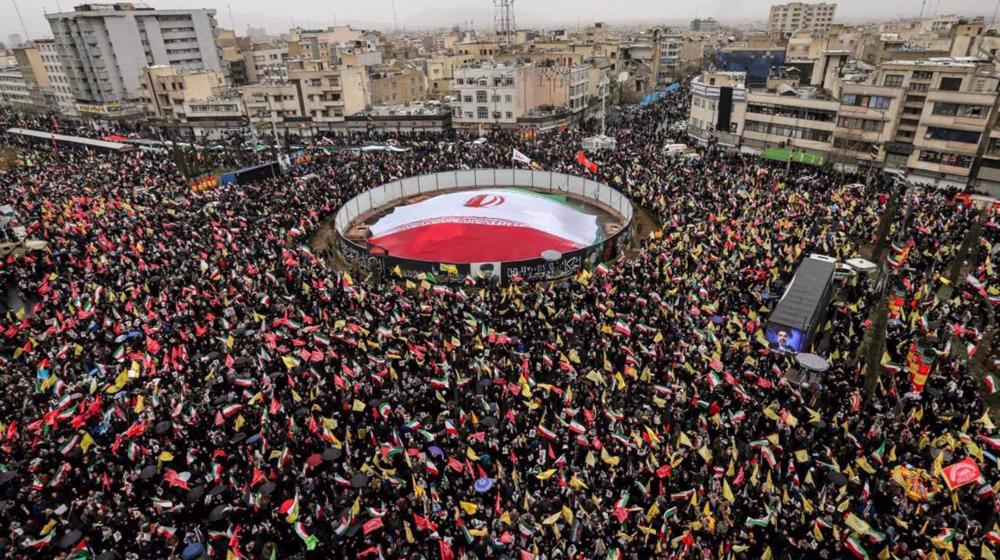 |
| Milhões reuniram-se em Teerão já no dia 13 de Março, sob a explosão próxima de bombas, imperturbáveis, decididos a vencer, com os mártires que tiver de ser, unidos. A presstv noticiou:https://www.presstv.ir/Detail/2026/03/13/765322/Millions-of-Iranians-rally-on-International-Quds-Day-amid-US-Israeli-strikes |
Por
outras palavras, o Irão provavelmente está mais unido agora do que em
qualquer momento, após a morte de toda [de parte] a sua liderança e após este ataque
brutal à escola. Isso mudou a consciência de muitas pessoas. O povo
iraniano tem muito orgulho [no seu país] e é muito forte, e talvez
algumas pessoas não gostassem do regime de Velayat-e Faqih [governo pelos juristas religiosos]—embora isso
também tenha sido exagerado no Ocidente pelos serviços israelitas—mas,
no entanto, agora todos unir-se-ão em torno do Irão sob a ideia
nacional. Além disso, acho que os actuais líderes entenderão a
necessidade de se mover um pouco em direção aos círculos seculares da
sociedade iraniana, entre os quais praticamente não há liberais. Há
nacionalistas iranianos que não são tão estritamente religiosos
quanto o regime político, mas ainda assim são nacionalistas, são
patriotas do Irão. Se a sua energia e a sua vontade forem [sem qualquer dúvida] direcionadas
para resistir à agressão sionista-americana, então a resistência pode
durar bastante tempo, porque até Gaza resistiu por muito tempo, e o Irão
não é Gaza—é um país enorme.
Os xiitas constituem uma parte significativa da população do Oriente Médio. As elites desses regimes pró-americanos e pró-árabes são completamente corruptas; é simplesmente uma extensão da "Ilha de Epstein": todos esses Qatar, Dubais e Bahrein. No Bahrein, por exemplo, a população é em grande parte xiita. Acho que levantamentos e revoluções xiitas podem agora eclodir em todo o lado [algo difícil pela repressão fortíssima que exercem]. Em princípio, se o Irão resistir, é impossível saber quem sairá vitorioso nesta guerra. Em especial porque vemos que o conflito afegão-paquistanês está a intensificar-se. E ainda não está claro quem—Paquistão ou Afeganistão—pode apoiar Teerão. Aliás, Israel não gosta de nenhum deles, nem dos paquistaneses nem dos afegãos. Como resultado, tudo isso poderá [e vai] acabar em catástrofe para Trump, para os Estados Unidos e para Israel. O vasto mundo muçulmano poderia simplesmente apagá-lo da face da terra. A "Cúpula de Ferro" já foi penetrada, Tel Aviv está em chamas, e algumas das imagens já se assemelham a Gaza. As pessoas estão a fugir de lá, e muitos estão a dizer que é assim que vai acabar: o Irão certamente vencerá.
Por enquanto, ainda está incerto. Mas o Irão não se rendeu no primeiro dia; não se rendeu após esse ataque terrível—exactamente o que Trump esperava. Agora Trump está a falar de durar várias semanas, talvez um mês. Legalmente falando, ele tem a possibilidade de conduzir uma guerra aproximadamente por três meses sem a aprovação do Congresso, e o Congresso também pode apoiá-lo. Mas se esta guerra se prolongar, se o Irão resistir desesperadamente [ou melhor, com lucidez, equilíbrio e poder] e tiver força suficiente, energia interna, potencial e poder, então o resultado desta batalha está longe de estar predeterminado. Em especial porque, se olhar de perto, a aposta na operação "Escudo de Judá" pode ser o ponto mais fraco e vulnerável para a coligação americano-israelita. Que tipo de escudo é esse, quando atacaram e mataram a liderança de um país que, na verdade, nem estava em guerra com eles? Este é um ataque—é o ataque de Judas, um ataque traiçoeiro realizado durante as negociações. Há muito Judas aqui, mas muito pouco escudo. Se de certa forma os acontecimentos continuarem, as mudanças no mundo poderão de facto ser extremamente radicais.
Portanto, a questão agora talvez não seja tanto quem vai vencer. Os primeiros dias foram suportados, sobreviveu-se ao primeiro golpe —pelo menos pelos iranianos. A sua liderança política, que agora se apresentou para substituir Rahbar Ali Khamenei e a sua família—que também foram mortos, por sinal… Uma coisa monstruosa: uma neta, uma garotinha, de quatorze meses—apenas um ano e dois meses. Crianças, netos… todos.
Como de costume, vimos isso em Gaza: a crueldade da agressão e hegemonia americana-israelita é tão monstruosa, as suas mentiras e traições tão imensas, que a humanidade deveria, de fato, ter recuado horrorizada com o que estamos enfrentando. Mas não recuou, porque em vez disso as pessoas ouvirão outras histórias; dirão que o Irão é o culpado, que as matou. Quanto às mentiras vindas do regime americano, do Ocidente em geral, dos sionistas—já estamos acostumados com isso; já ouvimos tudo isso antes. Portanto, o Irão não pode contar com a indignação da opinião pública mundial [Ursula von der Leyen, a ditadora da União Europeia, veio avisar que a Europa não deve derramar uma lágrima pelo Irão]. O Irão só pode contar consigo mesmo e com aquelas forças que possam apoiá-lo.
Se o Irão se reorganizar agora e conseguir orientar esta guerra por um tempo suficientemente demorado, a qualquer custo, então, é claro, Israel tentará transformar o Irão em Gaza. Na verdade, já começou a fazê-lo. Mas o Irão ainda é um país muito grande. Além disso, os mísseis iranianos estão a alcançar o território israelita e a atingir alvos estratégicos importantes. Depois de algum tempo desse tipo de bombardeio e troca de mísseis, acho que Israel começará sentir-se um tanto desconfortável.[Ou a haver mesmo levantamentos da população de Telavive, a mais castigada nos bombardeamentos.]
E, consequentemente, os americanos sentirão isso, e os europeus também sentirão. Afundar agora esses navios de guerra —sabemos disso, porque sofremos pesadas perdas no Mar Negro durante a guerra com o regime nazista de Kiev - é hoje incrivelmente fácil. Com drones modernos—subaquáticos e de superfície—é uma tarefa tecnológica muito simples enviar essa frota tão elogiada para o fundo do mar. Já estamos a viver numa era tecnológica de guerra completamente diferente. Todo aquele poder dos porta-aviões é, na realidade, algo inflacionado; são apenas imagens bonitas.
Helicópteros—dada a velocidade com que voaram para a Venezuela—poderiam sobreviver talvez trinta segundos se enfrentassem pessoas normais com metralhadoras, ou drones adequados, ou os tipos de armas que as nossas tropas normais têm ao longo da linha de frente na Ucrânia. Sob tais condições, um helicóptero não duraria muito—trinta segundos. Na realidade, eles ainda não sabem o que é a guerra. Nem os americanos nem os israelitas sabem. Agora eles vão descobrir. [Sobretudo se Trump e Hegseth conseguirem contar com chefias militares, que obedeçam à elite epsteiniana, e enviem tropas invasoras para dentro da terra sagrada do Irão]
Se o Irão resistir, tudo é possível. Não estou a dizer que eles estão destinados a vencer. Não estou a dizer que a vitória é garantida para ninguém. Mas se a vitória não é garantida, e se não é rápida no caso de Trump e Israel, isso por si só já representa uma vitória colossal para todos os apoiantes de um mundo multipolar.
Os xiitas constituem uma parte significativa da população do Oriente Médio. As elites desses regimes pró-americanos e pró-árabes são completamente corruptas; é simplesmente uma extensão da "Ilha de Epstein": todos esses Qatar, Dubais e Bahrein. No Bahrein, por exemplo, a população é em grande parte xiita. Acho que levantamentos e revoluções xiitas podem agora eclodir em todo o lado [algo difícil pela repressão fortíssima que exercem]. Em princípio, se o Irão resistir, é impossível saber quem sairá vitorioso nesta guerra. Em especial porque vemos que o conflito afegão-paquistanês está a intensificar-se. E ainda não está claro quem—Paquistão ou Afeganistão—pode apoiar Teerão. Aliás, Israel não gosta de nenhum deles, nem dos paquistaneses nem dos afegãos. Como resultado, tudo isso poderá [e vai] acabar em catástrofe para Trump, para os Estados Unidos e para Israel. O vasto mundo muçulmano poderia simplesmente apagá-lo da face da terra. A "Cúpula de Ferro" já foi penetrada, Tel Aviv está em chamas, e algumas das imagens já se assemelham a Gaza. As pessoas estão a fugir de lá, e muitos estão a dizer que é assim que vai acabar: o Irão certamente vencerá.
Por enquanto, ainda está incerto. Mas o Irão não se rendeu no primeiro dia; não se rendeu após esse ataque terrível—exactamente o que Trump esperava. Agora Trump está a falar de durar várias semanas, talvez um mês. Legalmente falando, ele tem a possibilidade de conduzir uma guerra aproximadamente por três meses sem a aprovação do Congresso, e o Congresso também pode apoiá-lo. Mas se esta guerra se prolongar, se o Irão resistir desesperadamente [ou melhor, com lucidez, equilíbrio e poder] e tiver força suficiente, energia interna, potencial e poder, então o resultado desta batalha está longe de estar predeterminado. Em especial porque, se olhar de perto, a aposta na operação "Escudo de Judá" pode ser o ponto mais fraco e vulnerável para a coligação americano-israelita. Que tipo de escudo é esse, quando atacaram e mataram a liderança de um país que, na verdade, nem estava em guerra com eles? Este é um ataque—é o ataque de Judas, um ataque traiçoeiro realizado durante as negociações. Há muito Judas aqui, mas muito pouco escudo. Se de certa forma os acontecimentos continuarem, as mudanças no mundo poderão de facto ser extremamente radicais.
Portanto, a questão agora talvez não seja tanto quem vai vencer. Os primeiros dias foram suportados, sobreviveu-se ao primeiro golpe —pelo menos pelos iranianos. A sua liderança política, que agora se apresentou para substituir Rahbar Ali Khamenei e a sua família—que também foram mortos, por sinal… Uma coisa monstruosa: uma neta, uma garotinha, de quatorze meses—apenas um ano e dois meses. Crianças, netos… todos.
Como de costume, vimos isso em Gaza: a crueldade da agressão e hegemonia americana-israelita é tão monstruosa, as suas mentiras e traições tão imensas, que a humanidade deveria, de fato, ter recuado horrorizada com o que estamos enfrentando. Mas não recuou, porque em vez disso as pessoas ouvirão outras histórias; dirão que o Irão é o culpado, que as matou. Quanto às mentiras vindas do regime americano, do Ocidente em geral, dos sionistas—já estamos acostumados com isso; já ouvimos tudo isso antes. Portanto, o Irão não pode contar com a indignação da opinião pública mundial [Ursula von der Leyen, a ditadora da União Europeia, veio avisar que a Europa não deve derramar uma lágrima pelo Irão]. O Irão só pode contar consigo mesmo e com aquelas forças que possam apoiá-lo.
Se o Irão se reorganizar agora e conseguir orientar esta guerra por um tempo suficientemente demorado, a qualquer custo, então, é claro, Israel tentará transformar o Irão em Gaza. Na verdade, já começou a fazê-lo. Mas o Irão ainda é um país muito grande. Além disso, os mísseis iranianos estão a alcançar o território israelita e a atingir alvos estratégicos importantes. Depois de algum tempo desse tipo de bombardeio e troca de mísseis, acho que Israel começará sentir-se um tanto desconfortável.[Ou a haver mesmo levantamentos da população de Telavive, a mais castigada nos bombardeamentos.]
E, consequentemente, os americanos sentirão isso, e os europeus também sentirão. Afundar agora esses navios de guerra —sabemos disso, porque sofremos pesadas perdas no Mar Negro durante a guerra com o regime nazista de Kiev - é hoje incrivelmente fácil. Com drones modernos—subaquáticos e de superfície—é uma tarefa tecnológica muito simples enviar essa frota tão elogiada para o fundo do mar. Já estamos a viver numa era tecnológica de guerra completamente diferente. Todo aquele poder dos porta-aviões é, na realidade, algo inflacionado; são apenas imagens bonitas.
Helicópteros—dada a velocidade com que voaram para a Venezuela—poderiam sobreviver talvez trinta segundos se enfrentassem pessoas normais com metralhadoras, ou drones adequados, ou os tipos de armas que as nossas tropas normais têm ao longo da linha de frente na Ucrânia. Sob tais condições, um helicóptero não duraria muito—trinta segundos. Na realidade, eles ainda não sabem o que é a guerra. Nem os americanos nem os israelitas sabem. Agora eles vão descobrir. [Sobretudo se Trump e Hegseth conseguirem contar com chefias militares, que obedeçam à elite epsteiniana, e enviem tropas invasoras para dentro da terra sagrada do Irão]
Se o Irão resistir, tudo é possível. Não estou a dizer que eles estão destinados a vencer. Não estou a dizer que a vitória é garantida para ninguém. Mas se a vitória não é garantida, e se não é rápida no caso de Trump e Israel, isso por si só já representa uma vitória colossal para todos os apoiantes de um mundo multipolar.
Na
verdade, esta guerra também é dirigida contra nós. Devemos entender que
somos nós os próximos. O Irão agora o que é? Um escudo. O escudo do
Katechon. É isso que o Irão é. De certa forma, eles assumiram um golpe
que, no fundo, era destinado a todos nós. Se eles aguentarem, será um
enorme sucesso, inclusive para nós.
Anfitrião: Vamos falar sobre cooperação—particularmente do lado russo. Moscovo está a emitir declarações neste momento: Dmitry Peskov [porta-voz do Kremlin] diz que Moscovo está em contacto constante com a liderança do Irão. A Rússia continua comprometida com uma solução política e diplomática, mesmo após o ataque dos EUA ao Irão. Hoje, Vladimir Putin manteve conversas telefónicas internacionais relacionadas com a situação no Irão. Hoje o presidente reunir-se-á com o governador da região do Amur, mas isso é outra questão. O que você acha: que acções devemos tomar agora—devemos adotar medidas mais rigorosas, ou devemos adoptar uma posição de esperar para ver? Mas, francamente, não está claro exatamente pelo que estaríamos esperando.
Alexander Dugin: Se simplesmente adoptarmos uma posição de esperar para ver, isso significa esperar o colapso do Irão —e então os próximos ataques serão direcionados contra a nossa própria liderança militar e política. [Dugin, sempre fortemente um Kshatryia, ou guerreiro, na denominação védica e indo-europeia]
Apresentador: De que maneira?
Alexander Dugin: Uma guerra está a ser travada contra nós na Ucrânia, e é bastante intensa. Mas, depois que Trump chegou ao poder—com o que inicialmente parecia ser uma estratégia e política bastante racional—surgiu em nosso país, dentro de nossa liderança, a impressão de que Trump poderia retirar-se dessa confrontação e que, portanto, era necessário negociar com ele através de figuras como Witkoff e Kushner, ou outros, para reduzir a escalada, pelo menos com a América. O pensamento era que estávamos a lutar contra a Ucrânia, confrontando a União Europeia, mas Trump poderia afastar-se disso porque ele tem uma posição diferente. De fato, ele tinha uma posição diferente até certo ponto. No entanto, após apenas alguns meses na Casa Branca como presidente, de repente mudou de rumo [pressionado pelos sionistas ou pelo deep state plutocrata e dos armamentos] e tornou-se um neoconservador ainda mais radical, perseguindo as mesmas políticas globalistas e hegemónicas, mas agora de forma mais aberta, mais brutal e mais direta.
Este momento da transformação de Trump—da posição MAGA [movimentação nacionalista Make American great again], que de facto tornara possível a reunião de Anchorage [entre russos e americanos na Gronelândia], para um ditado hegemónico radical, especialmente quando parece estar produzindo resultados bastante rapidamente em outras operações—é talvez algo que não registáramos plenamente a tempo. [Mea culpa, de Dugin, pois ele foi iludido pelas promessas e basófias de] Trump mudou. Ele acabou revelando-se um canal para uma vontade que não é a dele. Ele abandonou completamente o seu eleitorado principal. Tornou-se efectivamente um refém das mesmas forças que lançaram a guerra contra nós na Ucrânia.
Nesta situação, na minha opinião, o ataque ao Irão põe um fim definitivo à ideia de que Trump ainda poderia ser visto como um portador da ideologia MAGA [Make America Great Again]— a ideia de que os Estados Unidos se concentrariam nos seus próprios problemas internos, parariam de interferir nos assuntos internacionais e lidariam com seus próprios enormes fracassos na política, na economia e na cultura, o que na verdade era o programa original de Trump. Nada disso vai acontecer. Trump continuará a seguir as políticas dos neoconservadores. Para nós, este é um momento extremamente importante.
Ele está a atacar os nossos aliados. Na verdade, se o Irão cair—ou melhor, se o Irão cair e quando o Irão cair—encontrar-nos-emos enfrentando forças muito mais fortes do que aquelas que já confrontamos hoje. Trump, como um touro carregando em direção ao seu alvo, intoxicado pelo sangue e convencido de que tudo está a funcionar a seu favor e que tudo vem facilmente, pode interpretar nossa racionalidade e contenção, nossa consistência e a nossa adesão aos princípios simplesmente como fraqueza. E então ele não terá outros termos ou conceitos com os quais interpretar nossa política.
Anfitrião: Como devemos agir agora?
Alexander Dugin: Acho que devemos agir de forma muito decisiva—mas essa decisão pertence ao presidente. Você sabe, há muitos conselheiros agora, e todos nós [ou, talvez muitos pois ainda há muitos cautelosos] —de motoristas de táxi a especialistas, tanto militares como civis—estamos a dizer a ele a uma só voz que é necessário um ataque. Em primeiro lugar, está claro que o direito internacional não existe mais; podemos fazer o que quisermos, porque a vitória justificará tudo. Sem dúvida, a liderança militar-política da Ucrânia deve ser eliminada. Isso é absolutamente certo. Eles fizeram isso com nosso aliado, e pelas regras do grande jogo somos simplesmente obrigados a fazer o mesmo com o proxy [ou instrumento] deles, com aquelas estruturas que estão a travar a guerra contra nós.
Acredito que é extremamente importante usar tipos de armas muito sérias—armas tão poderosas que não podem ser ignoradas ou negligenciadas. Também não excluo que possa ser necessário colocar certos países na linha—países que estão a apoiar a guerra na Ucrânia enquanto se sentem completamente imunes às consequências e interpretam a nossa polidez e consistência como fraqueza. A Rússia não pode mais dar-se ao luxo de parecer fraca. Não somos fracos, mas é assim que parecemos. Eles veem-nos como fracos, indecisos, hesitantes, inseguros de nós mesmos, sem potência suficiente. A agressão de qualquer poder hegemónico pode ser resistida se houver vontade e força—e uma potência nuclear certamente é capaz disso. A Grande Rússia é capaz disso. Mas eles acreditam que nos falta vontade.
Isso, eu acho, é um erro: nós temos a vontade; simplesmente temos escondido cuidadosamente, embalando-a de forma organizada dentro do processo de negociação. Agora essa abordagem está a começar a trabalhar estritamente contra nós, e muito rapidamente. Mas todos estão a aconselhar o presidente nessa direção—essa é a minha impressão, embora talvez alguns pensem de forma diferente. [Putin e as mentes mais elevadas do Kremlin certamente agirão da melhor maneira para o máximo de pessoas, da Rússia e da Humanidade. Paciência, recomenda-se...]
Um consenso agora formou-se de que a Rússia deve reconsiderar fundamentalmente a sua estratégia para conduzir a guerra contra a Ucrânia. Precisamos tomar ações decisivas e incondicionais que não possam ser interpretadas de outra forma. Em outras palavras—um ataque, e a rua Bankova [em Kiev] desaparece, a liderança desaparece, Zelensky desaparece, ninguém sobra, e fica incerto com quem as negociações devem continuar. Podemos então propor que eles mesmos nomeiem pessoas com quem estaríamos preparados para dialogar. Isso simplesmente se sugere. [Um pouco forçado...]
Apresentador: Alexander Gelyevich [Dugin], por outro lado, pode acontecer que, após a eliminação de sua liderança, eles escolham novos líderes, talvez até mais radicais—como essencialmente aconteceu no Irão, onde a liderança foi substituída quase instantaneamente [mas não por radicais, mas por sábios corajosos e resistentes].
E aqui a sua visão do cenário iraniano é interessante: e se tomarmos medidas severas em seu apoio? Suponha que a Rússia, juntamente com a China, envia sua frota para o Golfo Pérsico. O que acha que aconteceria?
Alexandre Dugin: Seríamos respeitados. E seríamos temidos. Isso é o que aconteceria, se falássemos honestamente. É só isso. [Quem sabe o que aconteceria?]
Anfitrião: Isso não levaria a um confronto direto?
Alexandre Dugin: A confrontação direta já está em andamento. Eles simplesmente acreditam que nos controlam e dirigem, enquanto nós ainda pensamos que estamos conduzindo negociações em parceria [com eles]. Há uma divergência fundamental de perspectivas—uma diferença na forma como lemos o próprio tecido do que está acontecendo. No entanto, não aconselho o nosso presidente a fazer nada; ele entende tudo perfeitamente bem.
Quanto à preocupação de que a eliminação da liderança em Kiev traria forças ainda mais radicais ao poder: já não há mais radicais lá. Podem trazer figuras semelhantes. Mas se eles também não nos servirem, devemos fazer o mesmo com eles, e com os próximos, e com os próximos—removendo-os camada por camada. Especialmente porque a Ucrânia não é o Irão. Se realmente entrarmos nesta confrontação agora, não só teremos uma possibilidade de vitória, mas também a oportunidade de travar a escalada e prevenir a Terceira Guerra Mundial. Trump está a demonstrar que a política da força começou, e a força não reconhece palavras. Só se detém quando encontra um poder que se contrapõem. Esse poder deve ser demonstrado. Nós falamos constantemente sobre o nosso potencial nuclear e sobre o [super-míssil] "Oreshnik", mas chegou a hora de não apenas falar, mas mostrar essa força. É isso que se espera de nós. Só então Trump entenderá que os russos estão realmente furiosos e que ele foi longe demais.
O que é necessário agora é um ataque maciço que não possa ser ignorado ou descartado como fanfarronice ou como ataques a alvos secundários. Onde e como isso ocorrerá não nos cabe decidir, mas o curso da história e o ânimo de nossos soldados na linha de frente—que têm sido algo desmoralizados com as negociações de paz—reclamam capacidade de decisão. Quando todos os dias é transmitida a mensagem de que "tudo vai acabar em breve", isso torna psicologicamente impossível a luta; surge uma falsa sensação de que basta esperar um pouco mais. Devemos reconhecer honestamente que a guerra não terminará até que alcancemos todos os objetivos da operação militar especial. Devemos fortalecer a nossa vontade e fazer o que há muito tempo é necessário. Antes era possível adiá-lo, mas agora já não há mais como esperar.
É importante entender que as palavras têm um significado enorme. Olhe para o nome da operação "Fúria Épica"—até mesmo os americanos que se opuseram ao ataque ao Irão se sentem inspirados por esse slogan. "Meu país está furioso, e eu vou defendê-lo"—isso funciona. Enquanto isso, temos o termo burocrático "SMO" [Operação Militar Especial], que não pode inspirar ninguém; não carrega nenhum significado mais profundo. "Fúria Épica," "Escudo de Judá" para os israelitas, "Fim do Dilúvio" para o mundo xiita—esses são poderosos códigos de significado. Acredito que devemos renomear a operação militar especial como "A Espada do Katechon": somos os restrigindores [ordenadores, controladores, catequizadores]; esta é a nossa missão, o nosso papel russo, a nossa identidade ortodoxa. Os muçulmanos também nos apoiarão nisso, porque entendem perfeitamente a unidade da luta. Devemos mobilizar a sociedade, dar um novo impulso à guerra, renomeá-la. No início, havia os símbolos "Z", "V", "O"—isso era uma abordagem de relações públicas sem profundidade. Agora devemos enfatizar pelo que estamos a lutar, sem ocultar a magnitude da vitória. Devemos ser honestos com aqueles que dão as suas vidas pela Pátria, pelo estado, pela autoridade e pelo povo. Estamos a lutar por algo compartilhado, e as pessoas devem sentir esse significado.
Hoje, forças enormes estão em movimento—militares, políticas, religiosas. Não somos observadores ou árbitros aqui; somos participantes de uma Grande Guerra. Talvez a última. Não há necessidade de apressar-nos a especular acerca da vinda do fim—os cristãos ortodoxos sabem que ninguém sabe; até Cristo disse que só o Pai sabe. Mas sabemos que haverá um fim, porque Deus criou este mundo e Deus o julgará. [Grandes questões: criou, fundou, originou, emanou e numa pluridimensionalidade de planos e entidades?] Isso faz parte da nossa fé e das nossas tradições—uma parte essencial. Portanto, não há razão para pânico.
Vivemos nos últimos tempos—olhe para o Ocidente, a lista de Epstein. Que detalhes estamos a aprender sobre as elites que governam o Ocidente: esta é verdadeiramente uma civilização de Baal. É um culto a Satanás—um culto. O que as elites fazem? Eles corrompem menores, comem pessoas, caçam afro-americanos. Os arquivos de Epstein contêm indicações diretas: eles estupram crianças, organizam orgias. E isso está do outro lado. Essa é a civilização contra a qual estamos lutando. Não é coincidência que no Irão uma estátua de Baal foi queimada na véspera dessa invasão, e em resposta mísseis começaram a voar. Na consciência do mundo islâmico, essas coisas estão interligadas: a lista de Epstein, Baal—e os que queimam os seus ídolos. A guerra está a adquirir um profundo carácter religioso. Os dispensacionistas americanos, interpretando a Bíblia de Scofield [versão protestante impressa em 1909], estão convencidos de que, no momento do confronto entre o Irão e Israel, a Rússia inevitavelmente entrará na guerra ao lado do Irão. Para eles, "hoje o Irão, amanhã a Rússia" já é um facto consumado. Em suas mentes, já estamos lá.
É importante entender a psicologia do inimigo: ela não coincide com os factos ou com as nossas percepções racionais. Combinada com a energia furiosa de Trump e a exaltação escatológica da liderança israelita—que acredita que é agora ou nunca, que o Messias deve vir agora e que o "Grande Israel" deve ser criado agora—essa realidade não nos deixa a possibilidade de nos preocuparmos com assuntos ordinários. A história, a geografia, a religião e a política nos privam-nos da possibilidade de sermos observadores externos. Estamos bem no centro dos acontecimentos, e temos o nosso próprio papel.
Anfitrião: Vamos falar sobre cooperação—particularmente do lado russo. Moscovo está a emitir declarações neste momento: Dmitry Peskov [porta-voz do Kremlin] diz que Moscovo está em contacto constante com a liderança do Irão. A Rússia continua comprometida com uma solução política e diplomática, mesmo após o ataque dos EUA ao Irão. Hoje, Vladimir Putin manteve conversas telefónicas internacionais relacionadas com a situação no Irão. Hoje o presidente reunir-se-á com o governador da região do Amur, mas isso é outra questão. O que você acha: que acções devemos tomar agora—devemos adotar medidas mais rigorosas, ou devemos adoptar uma posição de esperar para ver? Mas, francamente, não está claro exatamente pelo que estaríamos esperando.
Alexander Dugin: Se simplesmente adoptarmos uma posição de esperar para ver, isso significa esperar o colapso do Irão —e então os próximos ataques serão direcionados contra a nossa própria liderança militar e política. [Dugin, sempre fortemente um Kshatryia, ou guerreiro, na denominação védica e indo-europeia]
Apresentador: De que maneira?
Alexander Dugin: Uma guerra está a ser travada contra nós na Ucrânia, e é bastante intensa. Mas, depois que Trump chegou ao poder—com o que inicialmente parecia ser uma estratégia e política bastante racional—surgiu em nosso país, dentro de nossa liderança, a impressão de que Trump poderia retirar-se dessa confrontação e que, portanto, era necessário negociar com ele através de figuras como Witkoff e Kushner, ou outros, para reduzir a escalada, pelo menos com a América. O pensamento era que estávamos a lutar contra a Ucrânia, confrontando a União Europeia, mas Trump poderia afastar-se disso porque ele tem uma posição diferente. De fato, ele tinha uma posição diferente até certo ponto. No entanto, após apenas alguns meses na Casa Branca como presidente, de repente mudou de rumo [pressionado pelos sionistas ou pelo deep state plutocrata e dos armamentos] e tornou-se um neoconservador ainda mais radical, perseguindo as mesmas políticas globalistas e hegemónicas, mas agora de forma mais aberta, mais brutal e mais direta.
Este momento da transformação de Trump—da posição MAGA [movimentação nacionalista Make American great again], que de facto tornara possível a reunião de Anchorage [entre russos e americanos na Gronelândia], para um ditado hegemónico radical, especialmente quando parece estar produzindo resultados bastante rapidamente em outras operações—é talvez algo que não registáramos plenamente a tempo. [Mea culpa, de Dugin, pois ele foi iludido pelas promessas e basófias de] Trump mudou. Ele acabou revelando-se um canal para uma vontade que não é a dele. Ele abandonou completamente o seu eleitorado principal. Tornou-se efectivamente um refém das mesmas forças que lançaram a guerra contra nós na Ucrânia.
Nesta situação, na minha opinião, o ataque ao Irão põe um fim definitivo à ideia de que Trump ainda poderia ser visto como um portador da ideologia MAGA [Make America Great Again]— a ideia de que os Estados Unidos se concentrariam nos seus próprios problemas internos, parariam de interferir nos assuntos internacionais e lidariam com seus próprios enormes fracassos na política, na economia e na cultura, o que na verdade era o programa original de Trump. Nada disso vai acontecer. Trump continuará a seguir as políticas dos neoconservadores. Para nós, este é um momento extremamente importante.
Ele está a atacar os nossos aliados. Na verdade, se o Irão cair—ou melhor, se o Irão cair e quando o Irão cair—encontrar-nos-emos enfrentando forças muito mais fortes do que aquelas que já confrontamos hoje. Trump, como um touro carregando em direção ao seu alvo, intoxicado pelo sangue e convencido de que tudo está a funcionar a seu favor e que tudo vem facilmente, pode interpretar nossa racionalidade e contenção, nossa consistência e a nossa adesão aos princípios simplesmente como fraqueza. E então ele não terá outros termos ou conceitos com os quais interpretar nossa política.
Anfitrião: Como devemos agir agora?
Alexander Dugin: Acho que devemos agir de forma muito decisiva—mas essa decisão pertence ao presidente. Você sabe, há muitos conselheiros agora, e todos nós [ou, talvez muitos pois ainda há muitos cautelosos] —de motoristas de táxi a especialistas, tanto militares como civis—estamos a dizer a ele a uma só voz que é necessário um ataque. Em primeiro lugar, está claro que o direito internacional não existe mais; podemos fazer o que quisermos, porque a vitória justificará tudo. Sem dúvida, a liderança militar-política da Ucrânia deve ser eliminada. Isso é absolutamente certo. Eles fizeram isso com nosso aliado, e pelas regras do grande jogo somos simplesmente obrigados a fazer o mesmo com o proxy [ou instrumento] deles, com aquelas estruturas que estão a travar a guerra contra nós.
Acredito que é extremamente importante usar tipos de armas muito sérias—armas tão poderosas que não podem ser ignoradas ou negligenciadas. Também não excluo que possa ser necessário colocar certos países na linha—países que estão a apoiar a guerra na Ucrânia enquanto se sentem completamente imunes às consequências e interpretam a nossa polidez e consistência como fraqueza. A Rússia não pode mais dar-se ao luxo de parecer fraca. Não somos fracos, mas é assim que parecemos. Eles veem-nos como fracos, indecisos, hesitantes, inseguros de nós mesmos, sem potência suficiente. A agressão de qualquer poder hegemónico pode ser resistida se houver vontade e força—e uma potência nuclear certamente é capaz disso. A Grande Rússia é capaz disso. Mas eles acreditam que nos falta vontade.
Isso, eu acho, é um erro: nós temos a vontade; simplesmente temos escondido cuidadosamente, embalando-a de forma organizada dentro do processo de negociação. Agora essa abordagem está a começar a trabalhar estritamente contra nós, e muito rapidamente. Mas todos estão a aconselhar o presidente nessa direção—essa é a minha impressão, embora talvez alguns pensem de forma diferente. [Putin e as mentes mais elevadas do Kremlin certamente agirão da melhor maneira para o máximo de pessoas, da Rússia e da Humanidade. Paciência, recomenda-se...]
Um consenso agora formou-se de que a Rússia deve reconsiderar fundamentalmente a sua estratégia para conduzir a guerra contra a Ucrânia. Precisamos tomar ações decisivas e incondicionais que não possam ser interpretadas de outra forma. Em outras palavras—um ataque, e a rua Bankova [em Kiev] desaparece, a liderança desaparece, Zelensky desaparece, ninguém sobra, e fica incerto com quem as negociações devem continuar. Podemos então propor que eles mesmos nomeiem pessoas com quem estaríamos preparados para dialogar. Isso simplesmente se sugere. [Um pouco forçado...]
Apresentador: Alexander Gelyevich [Dugin], por outro lado, pode acontecer que, após a eliminação de sua liderança, eles escolham novos líderes, talvez até mais radicais—como essencialmente aconteceu no Irão, onde a liderança foi substituída quase instantaneamente [mas não por radicais, mas por sábios corajosos e resistentes].
E aqui a sua visão do cenário iraniano é interessante: e se tomarmos medidas severas em seu apoio? Suponha que a Rússia, juntamente com a China, envia sua frota para o Golfo Pérsico. O que acha que aconteceria?
Alexandre Dugin: Seríamos respeitados. E seríamos temidos. Isso é o que aconteceria, se falássemos honestamente. É só isso. [Quem sabe o que aconteceria?]
Anfitrião: Isso não levaria a um confronto direto?
Alexandre Dugin: A confrontação direta já está em andamento. Eles simplesmente acreditam que nos controlam e dirigem, enquanto nós ainda pensamos que estamos conduzindo negociações em parceria [com eles]. Há uma divergência fundamental de perspectivas—uma diferença na forma como lemos o próprio tecido do que está acontecendo. No entanto, não aconselho o nosso presidente a fazer nada; ele entende tudo perfeitamente bem.
Quanto à preocupação de que a eliminação da liderança em Kiev traria forças ainda mais radicais ao poder: já não há mais radicais lá. Podem trazer figuras semelhantes. Mas se eles também não nos servirem, devemos fazer o mesmo com eles, e com os próximos, e com os próximos—removendo-os camada por camada. Especialmente porque a Ucrânia não é o Irão. Se realmente entrarmos nesta confrontação agora, não só teremos uma possibilidade de vitória, mas também a oportunidade de travar a escalada e prevenir a Terceira Guerra Mundial. Trump está a demonstrar que a política da força começou, e a força não reconhece palavras. Só se detém quando encontra um poder que se contrapõem. Esse poder deve ser demonstrado. Nós falamos constantemente sobre o nosso potencial nuclear e sobre o [super-míssil] "Oreshnik", mas chegou a hora de não apenas falar, mas mostrar essa força. É isso que se espera de nós. Só então Trump entenderá que os russos estão realmente furiosos e que ele foi longe demais.
O que é necessário agora é um ataque maciço que não possa ser ignorado ou descartado como fanfarronice ou como ataques a alvos secundários. Onde e como isso ocorrerá não nos cabe decidir, mas o curso da história e o ânimo de nossos soldados na linha de frente—que têm sido algo desmoralizados com as negociações de paz—reclamam capacidade de decisão. Quando todos os dias é transmitida a mensagem de que "tudo vai acabar em breve", isso torna psicologicamente impossível a luta; surge uma falsa sensação de que basta esperar um pouco mais. Devemos reconhecer honestamente que a guerra não terminará até que alcancemos todos os objetivos da operação militar especial. Devemos fortalecer a nossa vontade e fazer o que há muito tempo é necessário. Antes era possível adiá-lo, mas agora já não há mais como esperar.
É importante entender que as palavras têm um significado enorme. Olhe para o nome da operação "Fúria Épica"—até mesmo os americanos que se opuseram ao ataque ao Irão se sentem inspirados por esse slogan. "Meu país está furioso, e eu vou defendê-lo"—isso funciona. Enquanto isso, temos o termo burocrático "SMO" [Operação Militar Especial], que não pode inspirar ninguém; não carrega nenhum significado mais profundo. "Fúria Épica," "Escudo de Judá" para os israelitas, "Fim do Dilúvio" para o mundo xiita—esses são poderosos códigos de significado. Acredito que devemos renomear a operação militar especial como "A Espada do Katechon": somos os restrigindores [ordenadores, controladores, catequizadores]; esta é a nossa missão, o nosso papel russo, a nossa identidade ortodoxa. Os muçulmanos também nos apoiarão nisso, porque entendem perfeitamente a unidade da luta. Devemos mobilizar a sociedade, dar um novo impulso à guerra, renomeá-la. No início, havia os símbolos "Z", "V", "O"—isso era uma abordagem de relações públicas sem profundidade. Agora devemos enfatizar pelo que estamos a lutar, sem ocultar a magnitude da vitória. Devemos ser honestos com aqueles que dão as suas vidas pela Pátria, pelo estado, pela autoridade e pelo povo. Estamos a lutar por algo compartilhado, e as pessoas devem sentir esse significado.
Hoje, forças enormes estão em movimento—militares, políticas, religiosas. Não somos observadores ou árbitros aqui; somos participantes de uma Grande Guerra. Talvez a última. Não há necessidade de apressar-nos a especular acerca da vinda do fim—os cristãos ortodoxos sabem que ninguém sabe; até Cristo disse que só o Pai sabe. Mas sabemos que haverá um fim, porque Deus criou este mundo e Deus o julgará. [Grandes questões: criou, fundou, originou, emanou e numa pluridimensionalidade de planos e entidades?] Isso faz parte da nossa fé e das nossas tradições—uma parte essencial. Portanto, não há razão para pânico.
Vivemos nos últimos tempos—olhe para o Ocidente, a lista de Epstein. Que detalhes estamos a aprender sobre as elites que governam o Ocidente: esta é verdadeiramente uma civilização de Baal. É um culto a Satanás—um culto. O que as elites fazem? Eles corrompem menores, comem pessoas, caçam afro-americanos. Os arquivos de Epstein contêm indicações diretas: eles estupram crianças, organizam orgias. E isso está do outro lado. Essa é a civilização contra a qual estamos lutando. Não é coincidência que no Irão uma estátua de Baal foi queimada na véspera dessa invasão, e em resposta mísseis começaram a voar. Na consciência do mundo islâmico, essas coisas estão interligadas: a lista de Epstein, Baal—e os que queimam os seus ídolos. A guerra está a adquirir um profundo carácter religioso. Os dispensacionistas americanos, interpretando a Bíblia de Scofield [versão protestante impressa em 1909], estão convencidos de que, no momento do confronto entre o Irão e Israel, a Rússia inevitavelmente entrará na guerra ao lado do Irão. Para eles, "hoje o Irão, amanhã a Rússia" já é um facto consumado. Em suas mentes, já estamos lá.
É importante entender a psicologia do inimigo: ela não coincide com os factos ou com as nossas percepções racionais. Combinada com a energia furiosa de Trump e a exaltação escatológica da liderança israelita—que acredita que é agora ou nunca, que o Messias deve vir agora e que o "Grande Israel" deve ser criado agora—essa realidade não nos deixa a possibilidade de nos preocuparmos com assuntos ordinários. A história, a geografia, a religião e a política nos privam-nos da possibilidade de sermos observadores externos. Estamos bem no centro dos acontecimentos, e temos o nosso próprio papel.
 |
| Os dispensacionistas, ou pseudo-evangélicos sionizados, energizando o Presidente já em ampla decomposição. Em vermelho, a frenética Paula White, a conselheira em assuntos religiosos de Trump. Pode vê-la em performance de magia política religiosa no Youtube. |
Apresentador:
Como mudaria o alinhamento geopolítico se a Europa realmente decidisse
participar directamente nos bombardeamentos? Por exemplo, relatórios de uma
estação de rádio israelita indicam que a Alemanha está a discutir com
os Estados Unidos a possibilidade de sua participação directa na
operação. Em outras palavras, eles podem começar a realizar os seus
próprios ataques em vez de se limitarem a fornecer armas. Como a
situação mudaria nesse caso?
Alexander Dugin: É exatamente para lá que as coisas se encaminham. Os problemas entre Trump e a União Europeia agora foram ou resolvidos ou deixados de lado, porque, em essência, Trump mudou para uma política totalmente alinhada com os interesses dos globalistas e neoconservadores. Anteriormente, o conflito de Trump com a Europa era impulsionado pelo movimento MAGA, por sua rejeição ao globalismo e ao "estado profundo". Mas se Trump está agora a aproximar-se dessas estruturas, e então os desentendimentos com a Europa naturalmente ficam em segundo plano. O Ocidente deve ser visto como um todo único—o Ocidente colectivo. Na prática, voltamos à situação que existia antes de Trump. Esse momento histórico em que outras ideias e outros planos para os Estados Unidos foram proclamados, infelizmente, passou. Agora lidamos menos com o próprio Trump e mais com o mesmo "deep state" [estado profundo e oculto que controla a política]" que estava por trás de Nuland, Blinken ou Kamala Harris—essencialmente as mesmas forças.
Assim, todas [ou algumas] contradições entre os Estados Unidos e a União Europeia foram niveladas diante do confronto radical com forças que são opositoras ideológicas e geopolíticas do Ocidente colectivo—acima de tudo, os apoiantes de um mundo multipolar, entre os quais estamos nós mesmos e a China.
Quanto à sua pergunta sobre nossa participação dirceta: deixe o presidente decidir. Pessoalmente, acredito que a participação é necessária. Quanto mais ativamente, audaciosamente e decisivamente nos comportarmos em todos os aspectos, melhor. Caso contrário, qualquer outra ação será interpretada por eles como fraqueza, e fraqueza é uma provocação direta—um convite para fazer connosco o que fizeram com a liderança iraniana. Afinal, o nosso presidente encontrou-se com Rahbar [o guia] Khamenei, e antes disso com o presidente Raisi e outros líderes políticos, assim como se encontrou com Maduro.
Alexander Dugin: É exatamente para lá que as coisas se encaminham. Os problemas entre Trump e a União Europeia agora foram ou resolvidos ou deixados de lado, porque, em essência, Trump mudou para uma política totalmente alinhada com os interesses dos globalistas e neoconservadores. Anteriormente, o conflito de Trump com a Europa era impulsionado pelo movimento MAGA, por sua rejeição ao globalismo e ao "estado profundo". Mas se Trump está agora a aproximar-se dessas estruturas, e então os desentendimentos com a Europa naturalmente ficam em segundo plano. O Ocidente deve ser visto como um todo único—o Ocidente colectivo. Na prática, voltamos à situação que existia antes de Trump. Esse momento histórico em que outras ideias e outros planos para os Estados Unidos foram proclamados, infelizmente, passou. Agora lidamos menos com o próprio Trump e mais com o mesmo "deep state" [estado profundo e oculto que controla a política]" que estava por trás de Nuland, Blinken ou Kamala Harris—essencialmente as mesmas forças.
Assim, todas [ou algumas] contradições entre os Estados Unidos e a União Europeia foram niveladas diante do confronto radical com forças que são opositoras ideológicas e geopolíticas do Ocidente colectivo—acima de tudo, os apoiantes de um mundo multipolar, entre os quais estamos nós mesmos e a China.
Quanto à sua pergunta sobre nossa participação dirceta: deixe o presidente decidir. Pessoalmente, acredito que a participação é necessária. Quanto mais ativamente, audaciosamente e decisivamente nos comportarmos em todos os aspectos, melhor. Caso contrário, qualquer outra ação será interpretada por eles como fraqueza, e fraqueza é uma provocação direta—um convite para fazer connosco o que fizeram com a liderança iraniana. Afinal, o nosso presidente encontrou-se com Rahbar [o guia] Khamenei, e antes disso com o presidente Raisi e outros líderes políticos, assim como se encontrou com Maduro.

Alexander Dugin: Claro que seria melhor agir em coligação com a China. Mas a China vai esperar. Veja: se, Deus me livre, o Irão cair, um confronto direto connosco inevitavelmente se seguirá, e depois disso—com a China, porque esse é o alvo final deles. Quem pensa que pode esperar ao lado até isso passar—seja nós, a China ou o próprio Irão, que não entrou na guerra após a operação terrestre das IDF [as forças armadas israelitas] contra Gaza começar (Hezbollah ficou esperando e esperando até serem todos destruídos)—está a cometer um erro. Quanto mais esperarmos, mais tarde entraremos numa confrontação total com o Ocidente coletivo, maior será a hipótese de sermos derrotados um por um.
Fomos enganados novamente—Lavrov falou sobre isso: Israel passou a informação de que pretendia atacar o Irão. Mais uma vez eles levaram-nos pelo nariz [como bovídeos]: "Fiquem de fora por ora, não entrem no conflito sob qualquer circunstância" e no fim não haverá ninguém que nos possa apoiar. Portanto, estou convencido de que devemos responder da forma mais dura possível, em todos os frentes. Não é necessário entrar imediatamente neste conflito específico, mas devemos lidar com nossos inimigos diretos—o regime nazista em Kiev—com a máxima decisão. Não há dúvidas sobre tal. E devemos fazer isto de tal maneira que ninguém tenha ilusões: se os russos quiserem—eles podem. E se não conseguirmos, então estaremos em uma situação muito má.
A nossa resposta deve ser simétrica e o mais dura possível. Idealmente numa coligação. Mas se não for em coligação, então sozinhos. Se agirmos agora, não estaremos sozinhos. Se aguardarmos, permaneceremos sozinhos. Ou a China, se aguardar, ficará sozinha. Devemos parar o mal, parar a civilização de Baal. Essa é a nossa missão sagrada.»


.jpg)

